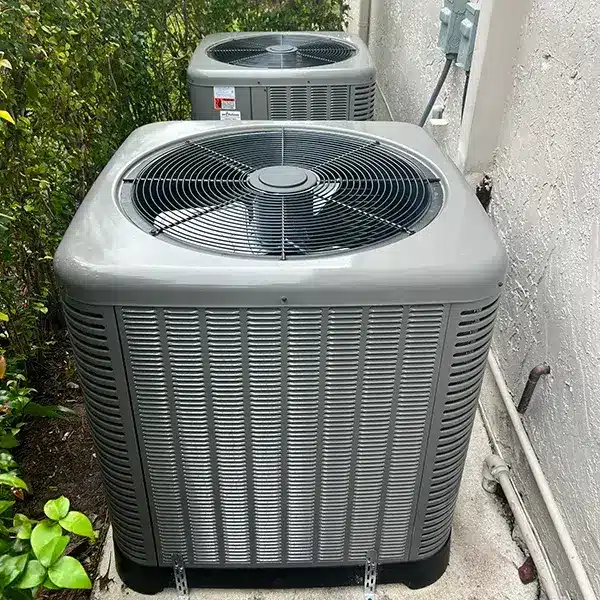
The compressor is the heart of your AC system. When it fails, the repair cost is significant, and it raises a real question: is it worth replacing just the compressor, or is a full system replacement the better call? Before either decision, there is the permit question. Here is the answer.
Quick Answer: AC Compressor Replacement Permits in SE Florida
Yes, replacing an AC compressor in SE Florida requires a permit. Compressor replacement involves refrigerant recovery, electrical disconnects, and mechanical work on the outdoor condenser unit, all regulated under the Florida Building Code. A licensed contractor must perform the work, a permit must be pulled, and the installation must be inspected.
Why AC Compressor Replacement Requires a Permit
Replacing a compressor is one of the more involved HVAC repairs. The process includes:
- Recovering existing refrigerant (EPA 608 certification required)
- Electrically disconnecting and removing the failed compressor
- Installing the replacement compressor
- Recharging refrigerant to the correct pressure
- Testing system operation and checking for leaks
The refrigerant handling alone makes this regulated work. In SE Florida, proper refrigerant charge is especially critical because systems run under near-constant demand.
If your system is aging, it is worth comparing compressor-only replacement against a full upgrade. Airfellows walks through heat pump installation and full replacement options for systems that are close to end of service.
Compressor Replacement vs. Full System Replacement: The Permit Angle
Both paths require a permit in SE Florida.
If you replace only the compressor in an older system, you are putting new parts in old equipment. Some contractors prefer this approach to keep costs down short-term. Others recommend a full outdoor unit replacement for better reliability and efficiency.
From a permit standpoint, both options require the same process: licensed contractor, permit application, inspection. The scope of work differs, but the requirement does not.
The Age and Refrigerant Question
If your system uses R-22 refrigerant (phased out as of 2020), compressor replacement is more complicated:
- R-22 is no longer manufactured in the US
- Existing supplies are limited and expensive
- A compressor replacement on an R-22 system may require converting to a different refrigerant or replacing the entire outdoor unit
This is not just a cost issue. It affects the permit scope. In some cases, a full system replacement is the only code-compliant path forward.
What the Inspection Covers for Compressor Replacement
The building inspector verifies:
- Correct refrigerant type and charge
- Proper electrical connections to the replacement unit
- Secure mounting of the condenser
- Hurricane strapping of the outdoor unit where required
- No refrigerant leaks
SE Florida’s wind load requirements mean outdoor equipment must be anchored to resist hurricane-force conditions. Inspectors check this, particularly in coastal Palm Beach, Broward, and Brevard counties.
What Most Guides Miss: The Matched System Rule
Florida’s energy code requires that replaced outdoor equipment be matched to the indoor air handler for rated efficiency. This is documented through AHRI (Air-Conditioning, Heating, and Refrigeration Institute) certification numbers.
If a compressor replacement changes the outdoor unit’s model number, the AHRI match must be verified and noted on the permit. A contractor who skips this step may be installing equipment that fails to meet Florida’s minimum efficiency standards.
Per the Florida Building Commission, mismatched equipment is one of the more common reasons for failed HVAC inspections in residential replacement work. It is the detail most homeowners only learn about after a failed inspection.
How to Decide: Compressor Replacement or Full System Upgrade?
This is the real question most homeowners are wrestling with when a compressor fails. Here is a practical framework:
Replace the compressor if:
- The system is less than 8 years old
- The rest of the system is in good condition
- The system uses current refrigerant (R-410A or R-32)
- The repair cost is less than 50% of a new system
Consider full replacement if:
- The system is 10 or more years old
- The system uses R-22 refrigerant
- Other major components (air handler, coils) are also showing wear
- The system’s efficiency rating is well below current Florida code minimums
A failed compressor on an older system is often a signal that other components are not far behind. Replacing only the compressor may buy 2 to 3 years before the next major failure, while a full replacement gives you a new warranty, better efficiency, and a properly matched system built to handle SE Florida’s climate.
Either way, the permit process is the same. Your contractor handles it regardless of which path you choose.
What Happens If You Replace a Compressor Without a Permit
Skipping the permit on compressor replacement carries the same consequences as any unpermitted HVAC work:
- Flagged at home sale
- Potential insurance complications if a claim involves the system
- Local fines and stop-work orders
- Voided manufacturer warranty on the replacement compressor
Some homeowners assume a compressor swap is a repair, not an installation, and therefore exempt. Under the Florida Building Code, it is not. The refrigerant and electrical work involved make it regulated regardless of how the job is framed.
Final Thoughts on AC Compressor Replacement Permits in SE Florida
Replacing an AC compressor in SE Florida requires a permit. Refrigerant handling, electrical work, and hurricane-strapping requirements all fall under regulated work, and a licensed contractor manages the permit and inspection process.
The R-22 question and the matched system rule are the two factors most likely to affect the scope and cost of a compressor replacement. Both are worth discussing with your contractor before the job begins.
Get in touch with Airfellows to find out whether compressor replacement or a full system upgrade is the right call for your situation.