Do You Need a Permit to Replace an AC Unit in SE Florida?
If you’re replacing your AC in SE Florida, the short answer is simple: yes, you almost always need a permit.
But there’s a lot of nuance behind that answer, especially in a region like South Florida where codes are strict, climate conditions are extreme, and inspections are taken seriously. Here’s exactly what you need to know before moving forward.
The Short Answer: Yes, Permits Are Required for AC Replacements
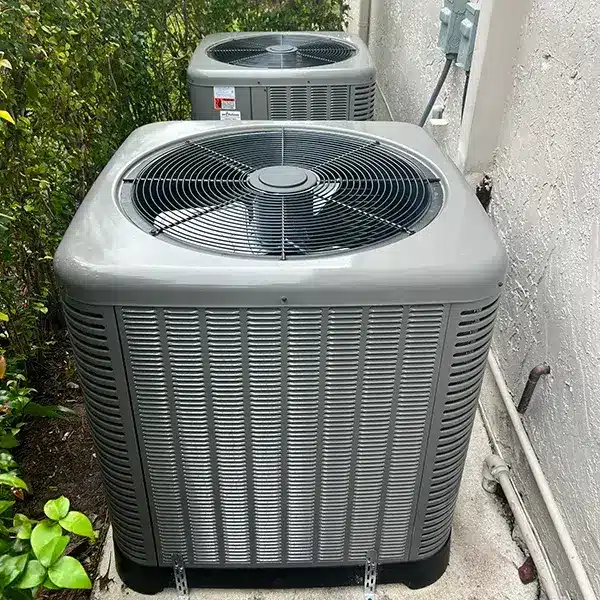
Under the Florida Building Code, a permit is required to install, remove, or replace an AC system.
This applies across Southeast Florida, including:
- Palm Beach County
- Broward County
- Miami-Dade County
Even if your project seems simple, like swapping out an old unit for a new one, it still counts as regulated HVAC work.
Why AC Replacements Require a Permit
Replacing an AC unit is not just a plug-and-play job. It involves multiple systems that must meet code, including:
- Electrical connections
- Refrigerant lines
- Drainage systems
- Airflow and ductwork
- Equipment sizing and efficiency
Permits ensure that everything is installed correctly and safely. They also trigger a required inspection to verify the work meets Florida standards.
In Southeast Florida, this matters even more because:
- Systems run almost year-round
- High humidity increases the risk of mold and drainage issues
- Coastal air can accelerate corrosion
- Hurricane-related requirements may apply
In other words, the permit is there to protect your home, your system, and your long-term investment.
Does a “Same Unit Swap” Still Require a Permit?
This is one of the most common misconceptions.
Even if you are:
- Replacing the unit with the same size
- Installing a similar system
- Keeping everything in the same location
You still typically need a permit.
Why? Because the work still involves regulated components like electrical, refrigerant handling, and mechanical installation.
There’s no such thing as a “no-permit shortcut” just because the system looks similar.
When You Might NOT Need a Permit
Permits are generally not required for minor repairs, such as:
- Replacing a capacitor or contactor
- Fixing a thermostat
- Cleaning or clearing a drain line
But once you cross into full system replacement or major component changes, a permit is required in most Florida jurisdictions.
Who Pulls the Permit?
In almost every case, your HVAC contractor should handle the permit for you.
That’s the standard practice because:
- Only licensed contractors can legally perform the work
- The permit must be tied to their license
- They coordinate inspections and approvals
Airfellows handles the permitting process as part of the installation, so homeowners don’t have to deal with paperwork or city offices.
What Happens If You Replace an AC Without a Permit?
Skipping a permit might save a little time upfront, but it can create serious problems later.
Here’s what can happen:
1. Failed Home Inspections
If you sell your home, buyers or inspectors may flag unpermitted work.
2. Fines and Penalties
Local municipalities can issue fines or require you to redo the work properly.
3. Insurance Issues
Insurance companies may deny claims tied to improperly installed systems.
4. Warranty Problems
Some manufacturers require licensed, permitted installation for warranty coverage.
5. Safety Risks
Unpermitted installs are more likely to cut corners on electrical, drainage, or airflow requirements.
What the Permit Process Looks Like
In Southeast Florida, the process typically follows these steps:
- Contractor submits permit application to the local city or county
- Permit is approved (often within 1–3 days for residential replacements)
- Installation is completed
- Inspection is scheduled and performed
- Permit is closed once approved
Most homeowners never see this process because a good contractor handles everything.
Why This Matters More in SE Florida
South Florida isn’t an easy environment for HVAC systems.
Between:
- Heat and humidity
- Salt air near the coast
- Heavy system usage
There’s very little margin for error.
A permitted installation ensures:
- Proper drainage (critical for humidity)
- Correct system sizing (to avoid short cycling)
- Code-compliant electrical work
- Long-term reliability
At Airfellows, every installation is completed to meet building codes and pass inspection, so your system is built to handle Florida conditions from day one.
The Bottom Line: AC Replacement Permits in FL
If you’re replacing an AC unit in Southeast Florida, plan on needing a permit.
Here’s the quick breakdown:
- Yes, permits are required for AC replacement
- Even “same unit swaps” typically require one
- Minor repairs usually do not
- Your contractor should handle the entire process
The safest move is simple:
Work with a licensed HVAC company that includes permits and inspections as part of the job.
If you’re planning an AC installation or replacement, make sure it’s done the right way from day one; get in touch with us today.